
March is nearly over, but for many schools, budget planning is only just coming into focus. There’s always something: end-of-year reports, supplier conversations, and now a budget to pin down for a year that’s going to test many schools operationally.
If you’re a catering manager or school business manager, 2026/27 is a year to prepare early. Focus on updating budget assumptions, forecasting FSM uptake, and coordinating with key stakeholders before September.
What makes this year different?
From September 2026, every pupil at a state-funded school whose household receives Universal Credit will be entitled to a free school meal. The government estimates that it will bring around 500,000 more pupils into scope, saving eligible families up to £500 per child per year and lifting an estimated 100,000 children out of poverty.
We’ve covered the full picture of what this means for schools in a separate post, but from a budget planning perspective, the key point is this:
500k
More pupils eligible for FSM from September 2026
£500
Saved per eligible child per year
£1bn+
Government funding committed over the spending review
That’s a lot of extra covers. The government has committed over £1 billion in funding across the spending review period to support it, but questions remain about whether this fully reflects the real cost of delivery. It also doesn’t address the wider operational pressures that come with serving significantly more pupils every day — something LACA (the school food people) have also highlighted in their recent industry commentary.
Your end-of-year budget checklist
Tick off each item as you go or download the printable PDF version.
Don’t plan in isolation
Catering budgets work best when the people who hold different parts of the picture are actually talking to each other. The catering manager knows what’s operationally realistic. The business manager knows what the finances can absorb. The headteacher knows what’s changing at a school level.
Get those three people in a room for half an hour before the end of March. It’s genuinely more useful than any spreadsheet built without that conversation.
Still getting to grips with what FSM expansion means for your school?
Beyond the budget, there's a lot to think through. We're also gathering views from schools right now on how they're preparing — it takes two minutes and helps us make sure our upcoming guide covers what you actually need.
Share your views →Frequently asked questions
When does the school financial year end?
For local authority-maintained schools, the financial year runs from April to March. For academies, it runs from September to August. Either way, March is a critical planning month; decisions made now shape the whole year ahead.
How much extra funding is available for FSM expansion?
The government has committed additional ring-fenced funding to cover the cost of expanded FSM eligibility. However, many in the sector question whether this fully reflects the real cost of delivery, and it doesn’t provide extra headroom for wider catering costs or capital investment.
For further context, LACA (the school food people) have shared industry perspectives on funding pressures and the need for additional support.
What should catering managers prioritise in their 2026/27 budget?
Three things: accurate meal number forecasting, a review of operational capacity, and a check on wider catering costs. All three become more important as FSM eligibility expands, particularly where better data and visibility can support more confident decision-making.
How can schools manage increased demand without increasing costs proportionately?
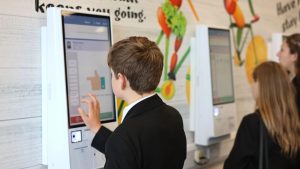
Improving service flow, reducing queue times, and increasing meal uptake among existing eligible pupils all help. Schools that have introduced Self-Serve Kiosks have seen measurable improvements in throughput and reduced pressure on staff without increasing headcount — helping to maximise existing resources rather than adding new costs.