
2025 was a standout year for school dining halls across the UK. Thirty years on from the advent of cashless catering, school meal services are evolving faster than ever before, and schools are finding more innovative ways to make lunchtimes efficient, inclusive and enjoyable.
We’ve seen the evolution of truly modern school catering, offering students the enhanced, retail-style experience, convenience, and choice they value in their everyday lives. This comes as schools, trusts and caterers adapt to new pressures: ever-tighter time constraints, rising food costs, staff shortages, complex operational demands, and growing student expectations.
Let’s dive in and examine what changed this year, and how schools responded by taking innovative steps to overcome these pressures, in the process changing the face of school catering for good.
Celebrating 30 years of cashless schools
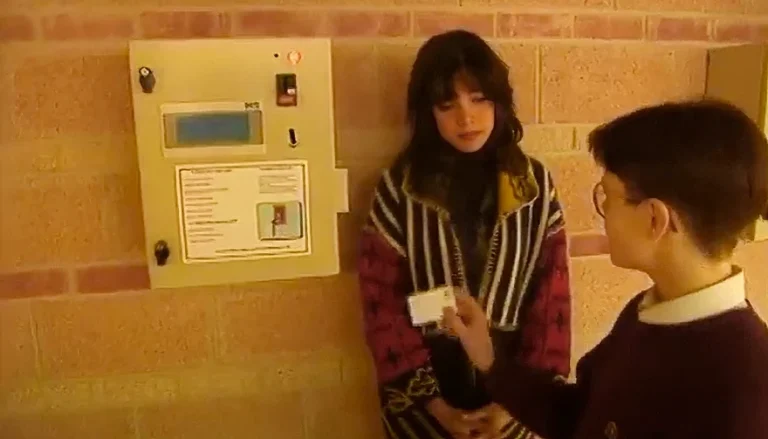
How it started:
How it's going:
CRB Cunninghams was there when it all began in 1995, introducing the first school cashless catering system to St Margaret’s Academy in West Lothian. At the time, cashless dining was a futuristic concept for a new generation of students enrolling in the newly built school.
Thirty years later, the education landscape has evolved dramatically, and cashless catering has grown from one West Lothian school to thousands nationwide.
One goal, two schools, three decades of cashless innovation
While the mission for school caterers remains the same: to make lunch fairer, faster and easier, the challenge facing schools today is dramatically different.
St Margaret’s Academy: the UK’s first cashless school
Back in 1995, the impetus was to remove laborious cash handling from the canteen, eliminate the stigma around free school meals, and alleviate administrative burdens on staff.
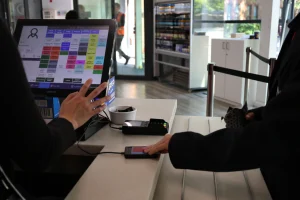
St Margaret’s students loaded their lunch accounts by depositing cash in wall-mounted machines before mealtimes, while free school meal allowances were added automatically. Students then tapped their physical cards at the point of sale to purchase their meals.
Seeing how this removed the stigma of free school meals, increased uptake, and significantly reduced queues at St Margaret’s Academy, West Lothian Council rolled out CRB Cunninghams’ first-generation cashless catering system across all its 65 primary and 11 secondary schools.
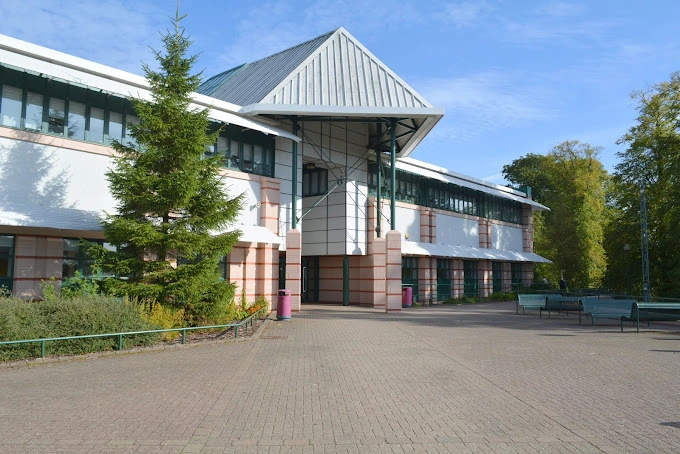
Penwortham Priory Academy: the next generation of school dining
School life in 2025 presented different challenges for Penwortham Priory Academy in Preston, Lancashire. The forward-thinking school was ambitious to deliver the best dining experience possible for students, while addressing logistical pinch-points that are all too familiar for many schools today:
Short lunch breaks
Long queues
No time for activities
Food waste
Lack of catering insight
Stunted meal uptake
Resource-intensive systems
Overburdened staff
Student debt
Unsustainable service
To maintain a high-quality catering service, the Penwortham Priory team needed to dramatically accelerate lunch service, reduce manual workloads, access catering insights and prevent students from accumulating debt.
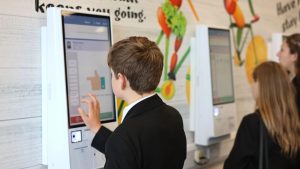
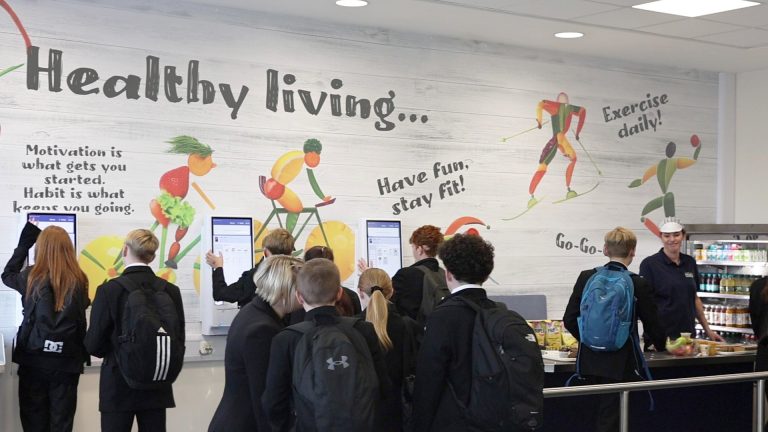
The school’s solution? Redesigning lunchtimes by flipping traditional collect-then-pay cafeteria service 180° and introducing CRB Cunninghams’ innovative, advanced sale Self-Serve Kiosks. Besides giving students time to enjoy their breaks and participate in extracurricular activities, the school has created an environment that feels more like a high-street dining experience, competing with students’ favourite restaurants outside of school.
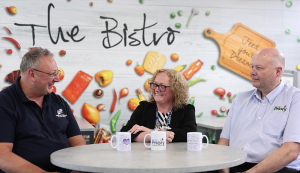
Watch our video case study for a real-life look at this next-generation school dining experience.
Why did school catering change in 2025?
Multiple factors combined to create a perfect storm, and while traditional till-based systems remain a solid choice, new technology provides extra capacity and flexibility to handle new pressures:
A quarter of secondary schools have lunch breaks of 35 minutes or less
These time constraints mean that waiting in long queues can entirely prevent students from enjoying their breaks or attending lunchtime clubs. Next-level speed of service is now an essential requirement for successful school catering operations.
A quarter of all UK students are now eligible for free school meals (DfE)

As multi-academy trusts expand, centralised control and visibility of catering systems across multiple sites are becoming vital to maximise efficiency and provide consistent, high-quality meal services for all students.
Nearly a third of British children use food delivery platforms weekly (DLG), and two-thirds of Gen-Z prefer restaurant kiosks to staffed tills (RMS). To appeal to students’ purchasing preferences, schools now want to offer modern, retail-style experiences with more flexible options, such as grab-and-go meals.
What did schools gain in 2025?
They say “necessity is the mother of invention”, and the pressures on the school catering sector have helped drive some standout innovations in 2025:
Fast, efficient, truly modern school dining
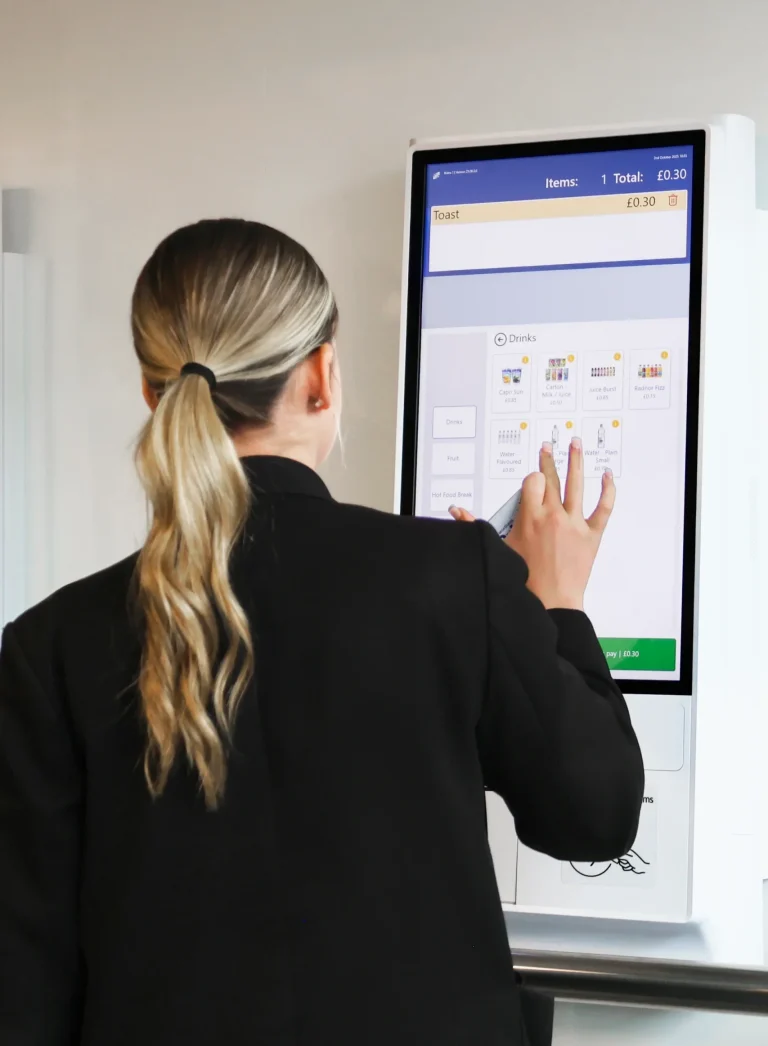
Tiffin School and Penwortham Priory Academy each pioneered a brand-new approach to delivering quick and convenient school dining, utilising CRB Cunninghams’ new Self-Serve Kiosks. Both schools have applied the flexible kiosks in a manner that best serves their individual needs: as supermarket-style self-checkouts and restaurant-style meal ordering screens.
Schools, trusts, and caterers are now streamlining HACCP with EasiChecks, the all-in-one digital compliance tool designed for fast-moving school kitchens. Multi-site catering managers can centrally control checks and instantly access live and historical data across all their kitchens, ensuring they’re ready for an EHO visit at any time.
While schools have been inundated with shiny new generative AI systems in 2025, CRB Cunninghams’ users have quietly enjoyed a frictionless back-to-school experience with AI-enhanced human support. Delivering innovation that actually serves schools’ needs, AI Alex, CRBC’s telephone agent, is triaging support calls, helping school staff get the answers they need faster.
What we’re taking into 2026
As we look to the new year, our team is focused on how we can help to future-proof schools’ meal services by providing tools that enhance the speed, security, and efficiency of everyday operations.
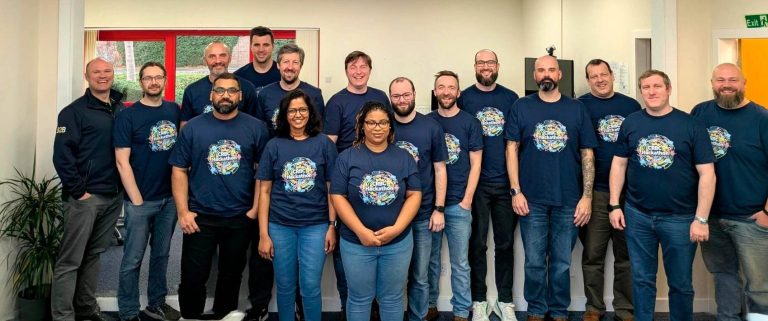
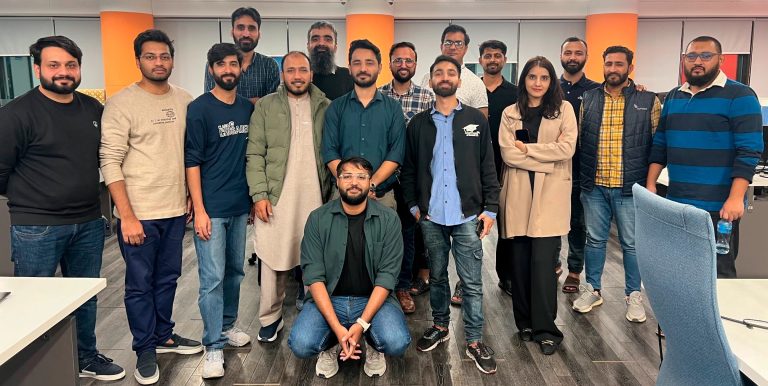
That innovation is already in motion. In November 2025, over 40 people across two offices took part in the annual CRBC Hackathon, a creative challenge focused on developing new approaches to common school issues. They created innovative concepts around meal planning, ordering, intelligent reporting, nutrition and allergen labelling, among others, and our brilliant developers are now hard at work, turning these big ideas into solutions to make school life easier.
If you’d like to see what next-gen dining could look like in your school, please get in touch.